
The Row Bags: A Splurge Worth the Wait
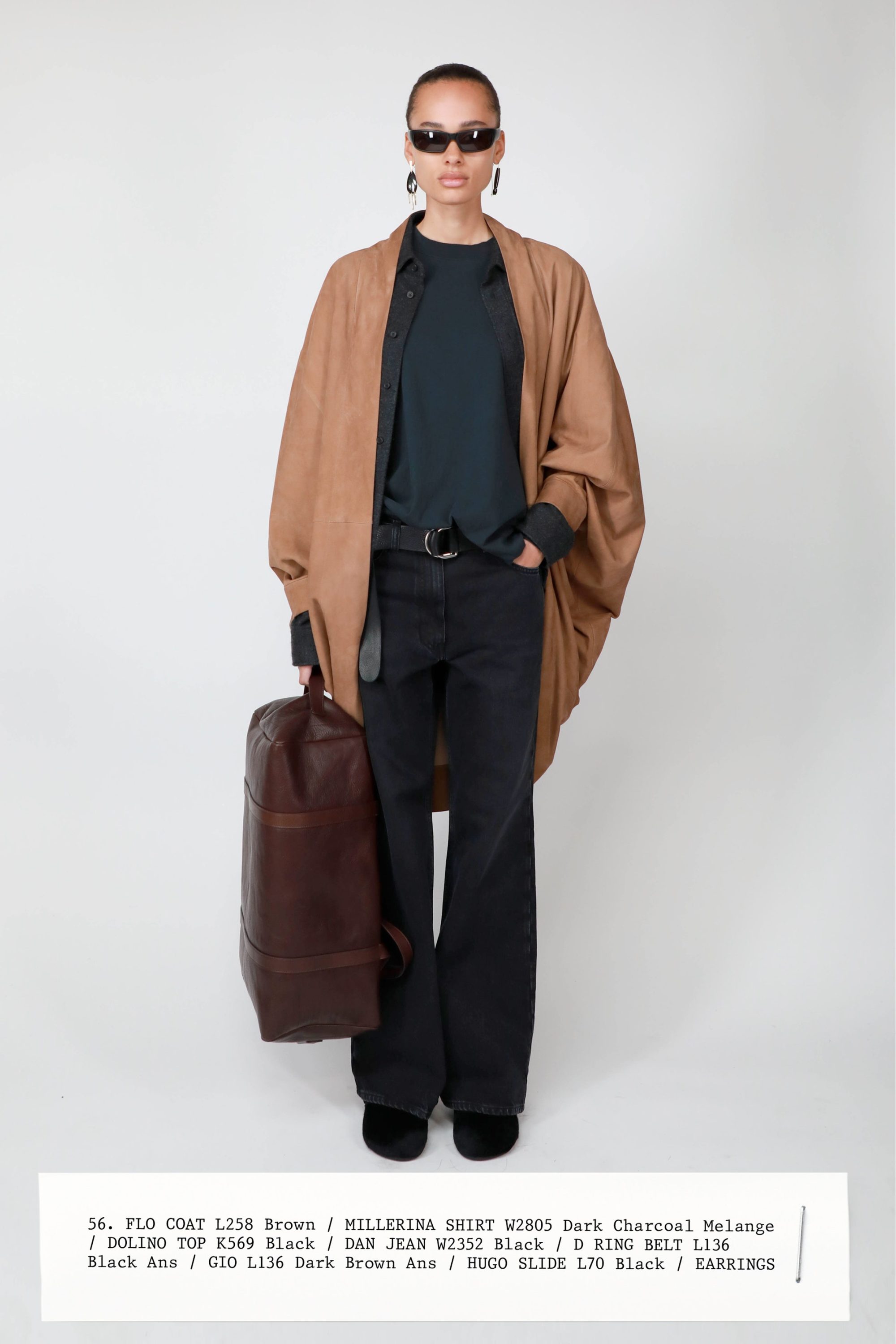
Quiet discipline is the foundation of The Row’s reputation. Established by Mary-Kate and Ashley Olsen, this brand has spent nearly two decades perfecting a select few shapes, while much of the style world runs after seasonal trends. That approach has turned The Row bags into something closer to modern heirlooms than fashion accessories. Shoppers digging into the row soon realize that this was never designed for spur-of-the-moment buys. It’s made for those who want one standout item that outlasts trend cycles entirely.
Understanding why these pieces command such loyalty requires looking past the price tags and into the construction, material sourcing, and design philosophy that sets row handbags apart from nearly everything else on the market. This article breaks down what makes them worth the wait, which styles matter most, and where you can actually find them.
What Drives The Row’s Handbags Uncommonly Adored
Every bag featured in the latest the row bags overview shares a few recurring traits: minimal hardware, softly structured silhouettes, and leather that’s been selected and cured with an uncommon level of care. The brand is notably sparing with adornment — no conspicuous logos, no loud branding, no trend-driven novelties. This design language has made row bags a favorite among stylists, editors, and collectors who prioritize longevity over recognizability.
Limited availability is part of the appeal. The house releases far smaller quantities than most luxury houses, and certain styles disappear from stock within days of restocking. This isn’t manufactured hype; it reflects genuinely limited production runs tied to specialized ateliers in Italy. Buyers frequently report waitlists lasting several months for the most sought-after shapes, particularly in neutral tones like ecru, black, and taupe.
We should also factor in the resale market to consider. Several top row bags — among them early Margaux as well https://therowofficial.com/tote-bags/ as Sideby designs — have demonstrated solid holding of value relative to other designer handbags, with a handful of styles reselling at or above original retail within the first year. Such results are uncommon and point to real demand, not mere speculative buzz.
Introducing the Must-Have Silhouettes— Margaux, Sideby, plus the Tote
Renowned for its easy, unstructured silhouette and how it settles into everyday wear patterns, the Margaux is by most accounts the brand’s standout signature style. Multiple size options are available, which lets it work as both a go-to daily carryall with crossbody styling and a sleeker after-dark option depending on which version you choose. It’s a common question where to buy the row margaux bag, because it’s carried on a rotating basis between its direct-to-consumer website and a handful of sanctioned luxury stockists.
Another favorite is the Sideby bag, which moves toward a firmer shape, complete with a top handle and an optional strap — a combination that suits both office and evening settings. At the same time, the row tote bag has solidified its place as the brand’s workhorse piece — spacious, occasionally unlined for a lighter feel, and detailed with the same low-key hardware seen throughout the range. It’s often the entry point for new customers because its utility justifies the investment more immediately than an evening style might.
All three of these styles — Margaux, Sideby, and the tote — corresponds to a distinct use case, but all three reflect the brand’s core commitment to minimal branding and exceptional leather quality. Shoppers reviewing row bags overview material on different sites will keep seeing these same three names, and there’s a clear reason for that: they’re the pieces most likely to be discussed in resale forums, styling guides, and best-of roundups for 2026.
A Look at The Row’s Core Bag Silhouettes
| Silhouette | Ideal Use | Structure | Common Occasion |
|---|---|---|---|
| Margaux | Everyday adaptability | Relaxed, unstructured | Work-to-weekend carry |
| Sideby | Polished occasions | Firm shape with top handle | Suited to both work and evening wear |
| Tote | Maximum capacity | Open, spacious | Everyday errands and trips |
This rundown doesn’t cover everything — The Row puts out more niche lines such as the Ascot and the Wander that exist apart from these three core groups — but for those deciding on a first buy, these three categories account for most of scenarios people look up when researching the row handbags as a category.
How Row Sale Events and Resale Truly Operate
Unlike brands that discount aggressively at the end of each season, a real row sale is uncommon. The Row now and then extends price cuts through select department stores rather than its own website, and even so, the most popular sizes and colors are gone before discounts get broadly publicized. Buyers wanting to catch a row sale should track official retailers themselves instead of trusting discount aggregator sites, since the danger of counterfeits grows considerably whenever “sale” and “designer handbag” show up together in a search.
Consignment sites have turned into the sounder option for buyers seeking value. Platforms focused on verified luxury resale regularly feature gently used Margaux and Sideby styles at 15–30% below the original retail price, depending on condition and color rarity. Neutral colorways tend to hold value best, while limited seasonal colors can even command a premium on resale if the style was particularly in demand during that season.
It’s worth noting that The Row infrequently joins conventional seasonal discounting as many mass-market luxury labels do. Such a scarcity-oriented pricing strategy is no accident — it reinforces both the impression and the fact that these are pieces intended to last rather than be rotated out of a wardrobe.
Where The Row Style Approach Fits Into 2026 Wardrobes
The overarching row fashion aesthetic, spanning quiet luxury, tonal dressing, and minimal branding,has only grown more relevant heading into 2026. With many buyers moving away from logo-heavy accessories, the appeal of a bag that signals craftsmanship rather than status has expanded a great deal. Consequently, row bags have edged further into everyday fashion conversation, even though the brand itself keeps a quiet, low-marketing approach.
The Row’s neutral palette, stylists point out, complements the tailored, monochrome wardrobes currently trending across ready-to-wear and street style coverage. A lone Margaux or tote is capable of anchoring multiple looks across seasons while never feeling dated — precisely the aim of an investment piece. Because of this flexibility, many buyers researching best row bags ultimately opt for neutral tones rather than statement colors on their first purchase.
Taking the Plunge: Down-to-Earth Shopping Guidance
If a purchase is genuinely on your mind, start with your core use case rather than letting trends guide you. A Margaux functions differently from a structured Sideby, while the tote addresses a wholly separate need than both. When lifestyle comes before aesthetics in the buying decision, long-term satisfaction tends to be far higher.
Authenticity should always be verified when purchases are made outside The Row’s own site or its limited roster of authorized stockists. Because of the brand’s popularity, fake listings have risen across secondary marketplaces, and prices that appear unusually low compared to typical retail should be seen as a warning sign rather than a deal.
Finally, consider color strategically. Neutral tones — black, ecru, taupe — tend to offer the greatest versatility and the strongest resale performance, while boldly colored or seasonal releases may feel exciting initially but can be harder to style consistently over multiple years. For a first purchase, most stylists and long-time collectors recommend starting neutral, then expanding into color once you understand how the bag integrates into your daily rotation.
The Row’s handbags are not meant for every shopper, and that’s exactly by design. What they reward is patience, careful research, and openness to owning fewer, better things — a mindset that feels more fitting in 2026 than ever.
